

Jaw and joint disorders
What are jaw-joint disorders and their treatment?
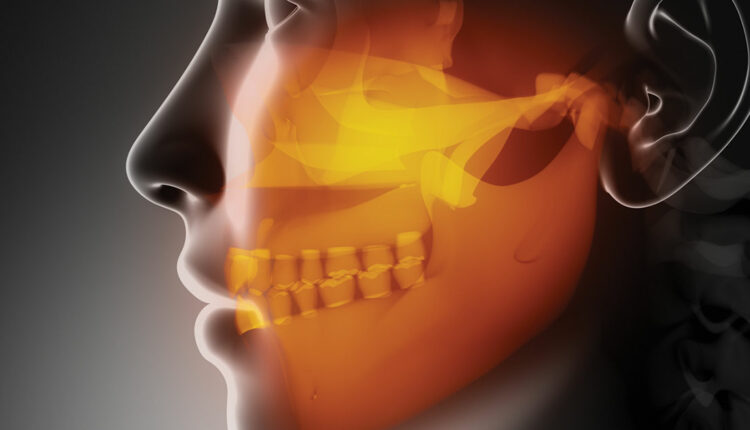
The TMJ (temporomandibular joint) is a highly complex joint that connects the lower jaw to the skull and enables us to carry out basic functions such as speech and chewing. Treatment of jaw-joint disorders is the whole of the procedures applied to relieve damage, pain and loss of function occurring in this joint and the surrounding chewing muscles as a result of factors such as trauma, clenching and grinding (bruxism), genetic predisposition or intense stress.
Who is it suitable for?
It is suitable for every individual with a problem in the jaw joint or chewing muscles who shows the following symptoms:
- Those with restriction or difficulty when opening the mouth, or who hear clicking/rubbing sounds from the jaw when opening,
- Those who feel difficulty, fatigue and severe pain when chewing,
- Those with pain of unclear origin spreading to the head, neck, ear, temple and cheek,
- Those who experience locking of the jaw or the jaw coming out of place,
- Patients who notice swelling and asymmetry (crookedness) in the face linked to joint problems.
How does treatment proceed?
In TMJ disorders, treatment is planned with a multidisciplinary approach progressing from simple to complex according to the source and severity of the problem:
- Detailed examination and diagnosis: The dentist examines the jaw joint and muscles. When considered necessary, structural disorders in the joint are identified with radiological imaging.
- Intra-oral appliance (splint) application: Custom thin, clear dental splints or occlusal splints are prepared and worn by the patient to reduce pressure on the joint and prevent clenching.
- Medical treatment and physical therapy: Medication is started to relieve spasm in the muscles and inflammation in the joint. At the same time, jaw-muscle exercises and physiotherapy methods the patient can apply at home are recommended.
- Supportive and advanced treatments: If stress underlies the problem, psychological support or relaxation solutions to remove this factor are recommended. In advanced structural joint disorders where conservative (protective) treatments do not respond, surgical procedures are used.
Points to consider before treatment
- When pain or restriction is felt in the jaw joint, the mouth should not be forced open more than necessary when yawning or eating.
- Especially if there is a history of past jaw/face trauma or rheumatic joint disease, this must be reported to the dentist during examination.
- Habits that trigger pain, such as chewing gum, nail biting, pen biting or resting the hand on the jaw, should be noticed and given up before treatment.
Points to consider after treatment
- Diet: During and after treatment, hard, sticky and large-bite foods that tire the joint (biting a whole apple, hard nuts, etc.) should be avoided; food should be cut into small pieces and chewed equally on both sides of the jaw.
- Appliance use: The occlusal splint or clear aligners given by the dentist must be used regularly at the recommended times without interruption.
- Exercises: The jaw exercises shown by the dentist and hot/cold compresses should be done regularly at home.
- Stress management: For treatment to last, daily-life stress that causes jaw clenching should be avoided and relaxation techniques applied.
Yes. Sounds from the jaw joint in the form of a “click” or tick when opening and closing the mouth are among the first and most important signs that the disc inside the joint has shifted or is starting to deform. They definitely require dental assessment.
No. A very large part of TMJ disorders can be treated successfully with non-surgical methods such as occlusal splints, night guards, medication, stress management and muscle exercises. Surgical procedures are applied only as a last resort when very advanced structural damage is irreversible.
It is quite normal. The jaw joint is anatomically very close to the ear. Excessive load on the joint and chewing muscles can cause ear pain, ringing, buzzing and severe tension-type headaches spreading from the temples to the head.
If this happens you should not try to close it yourself by forcing the jaw or applying pressure from outside. A wrong movement you make on your own can damage the joint ligaments. You should see an oral surgeon or dental specialist without delay.