





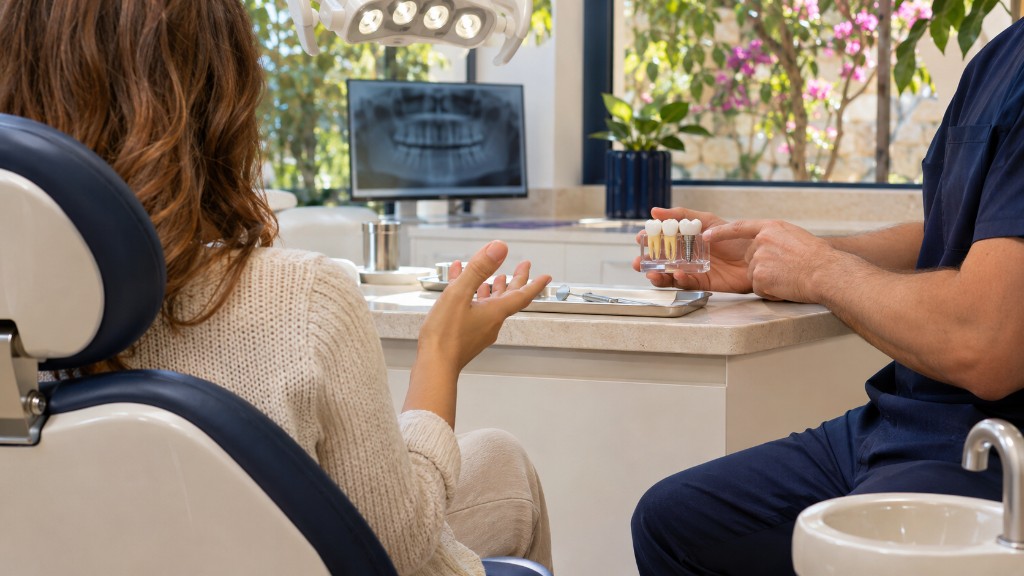
Start with your needs and expectations
Write a short description of why you want an appointment. A routine check, pain, missing teeth, a child’s examination and a cosmetic concern can lead to different discussions. You do not need to know the name of a procedure before making contact. Explaining the concern is a useful starting point.
If you live in Fethiye, consider a schedule that works with everyday life. If you are visiting briefly, think about how you would attend later reviews. Accessibility, opening hours and the consultation language matter when building an ongoing care relationship.
Your initial message could request an assessment of a particular concern rather than ask which procedure to buy. Note how long the problem has been present, relevant previous treatment and the questions you want to raise.
How should you assess dentist and team information?
Establish the name, professional title and published training background of the dentist who would treat you. If a specialty is described, clarify which field it concerns. Where necessary, ask which official professional channels can confirm the details; do not rely on a social media description alone.
Understand the division of responsibilities in a larger team. Who performs the examination, the procedure and the review? If different clinicians are involved, how will information be transferred? Knowing the treating dentist is different from reading general information about the clinic.
Do not assume that every routine assessment requires a particular specialist. If another clinician or specialist consultation is recommended, ask why. Consider a title in relation to your needs rather than as a substitute for an explanation of the proposed care.
What should you look for at the first examination?
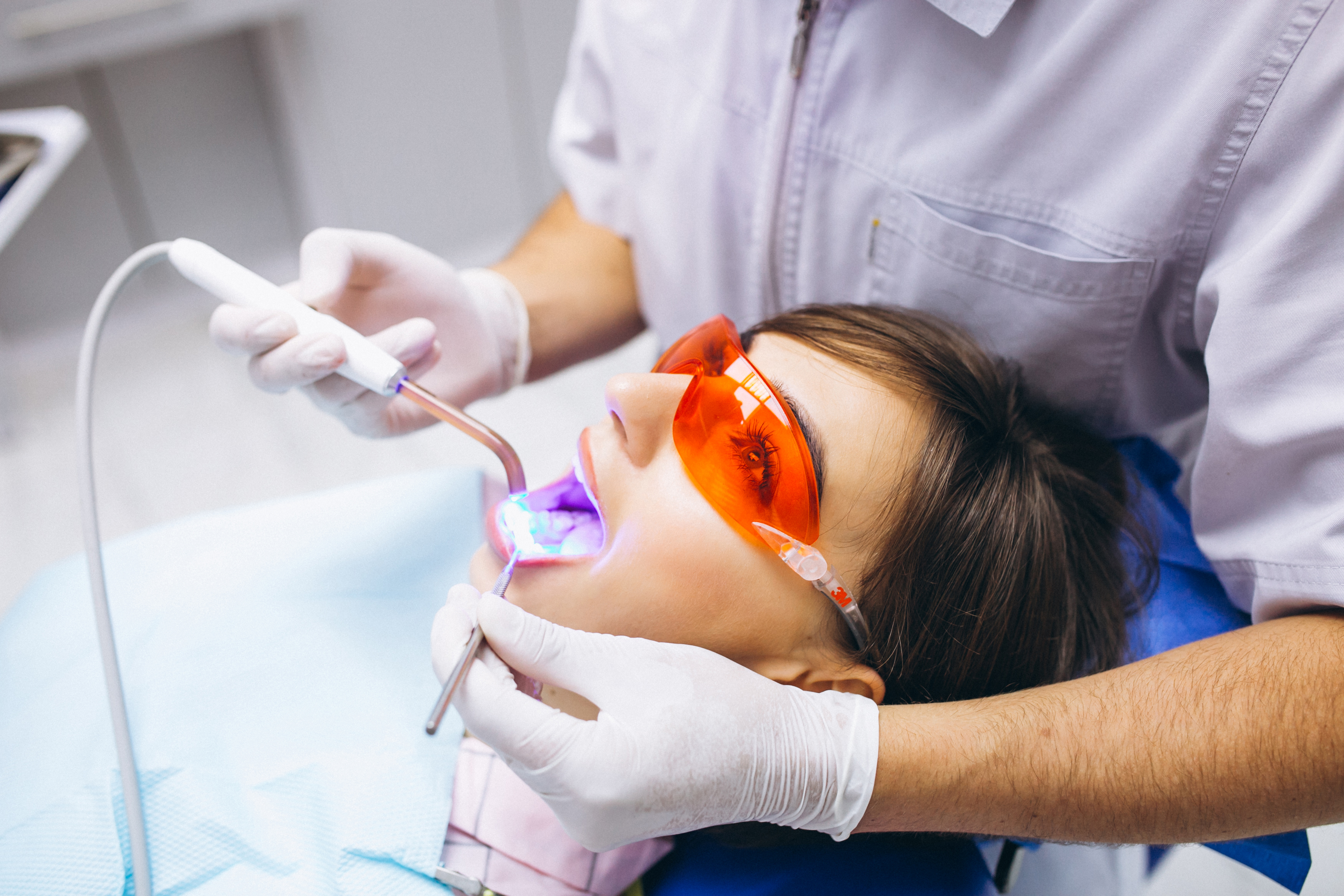
An examination should not be viewed simply as a brief price discussion. Reviewing general and dental health, examining teeth and gums, and explaining the next steps are important. Share medicines, allergies and relevant information about previous treatment.
Mention dental anxiety at the start. You can discuss your need for explanations, breaks or a particular communication approach. Clear answers are part of decision-making; you do not have to pretend to understand unfamiliar clinical language.
Does every patient need the same X-rays?
The need for imaging depends on examination and individual circumstances; new X-rays are not necessarily needed at every visit. Share existing images and ask which question a new image would answer. Do not compare panoramic imaging and three-dimensional scans simply by how modern a device appears. The relevant question is how the proposed investigation contributes to your assessment.
What can you ask about the clinic and hygiene?
Hand hygiene, appropriate protective equipment, sterile instruments and cleaned, disinfected surfaces are elements of infection prevention. A patient cannot audit every process in one visit, but you can ask how instruments are prepared and how treatment areas are managed between patients.
A stylish waiting room alone is not proof of clinical safety. Likewise, the presence of a device does not establish suitability for every treatment. Clear explanations of hygiene and technology provide more useful information than promotional phrases alone.
What should a written treatment plan explain?
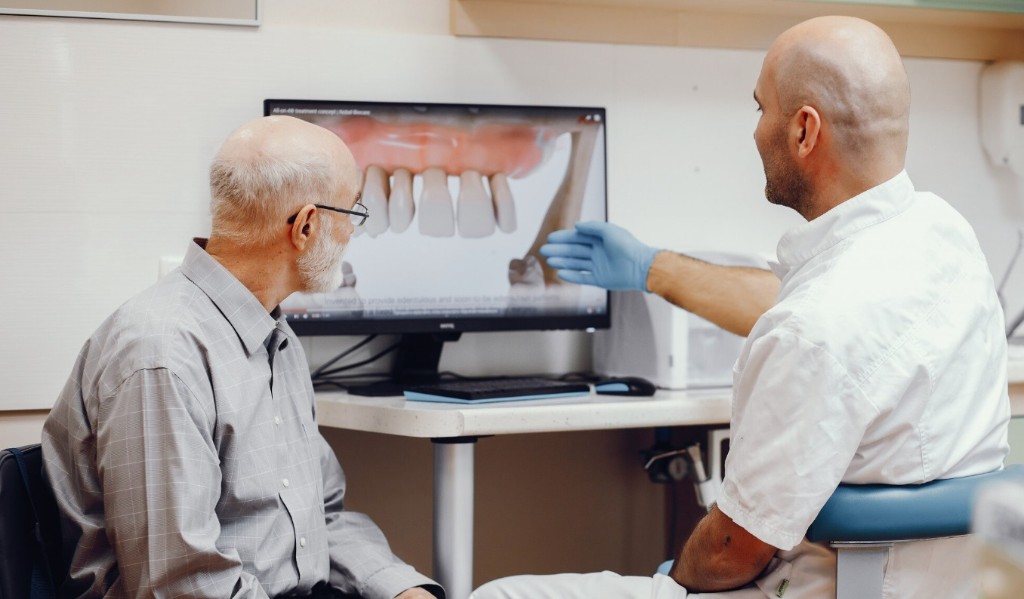
Alongside “what is recommended?”, ask “why?”. Information about options, possible risks and benefits, and cost supports your decision. If considering a second opinion, try to compare recommendations using the same findings and available records.
| Area to assess | Question for the consultation |
|---|---|
| Clinical reason | Which finding supports this recommendation? |
| Alternatives | Could another approach or monitoring be appropriate? |
| Scope | Which teeth and stages are included? |
| Timing | How many appointments are expected, and what could change them? |
| Cost | Are temporary components, the final restoration and reviews included? |
| Follow-up | Whom do I contact if a concern arises, and how? |
You can also ask why an option was considered unsuitable. For a proposal involving several procedures, understand the reason for each tooth. Wanting a cosmetic change does not automatically determine a fixed number of teeth needing an identical procedure.
How should prices and reviews be compared?
Before comparing totals, check that quotations cover the same work. Procedure counts, materials, temporary restorations and review fees can differ. If a preliminary estimate changes after examination, ask which new findings explain the change. Clarify the content instead of equating price with quality.
Reviews can offer insight into communication and appointment experiences. Another patient’s result does not establish your suitability or guarantee the same outcome. Alongside ratings, consider which questions were answered in your own consultation. A photograph resembling your smile does not mean you need the same treatment.
Access and follow-up in Fethiye
Confirm the branch and clinician for your appointment. Verify the map link with the clinic to avoid confusing Fethiye centre and Ölüdeniz locations. Give review dates the same attention as the first appointment. If reviews at another branch are possible, ask how they would be coordinated.
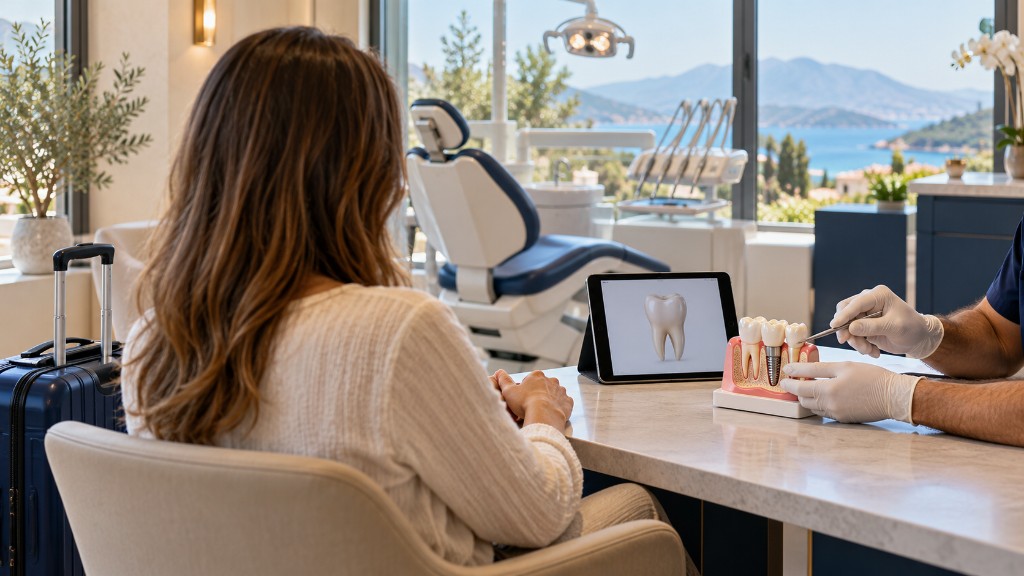
If travelling from abroad, discuss communication after returning home and access to local examination when needed. Do not assume online contact replaces every check. Establish which number to use for an unexpected concern and how out-of-hours enquiries are directed.
Frequently asked questions
There is no ranking that suits everyone. Compare the assessment of your needs, the explained plan, communication and follow-up arrangements together.
This depends on the clinical need. If a specialist opinion is suggested, ask why and who would take responsibility at each stage.
Not automatically. The need for new imaging is assessed individually; share any existing images as well.
No. Consider reviews alongside clinician information and the explanations provided during your examination.
First establish whether the quotations cover the same work. Do not decide on totals alone without understanding differences in scope.
Bring the previous plan and records you can share. Ask which findings or treatment goals account for any difference between recommendations.
Explain your travel dates, but avoid compressing necessary care simply to fit a trip. Discuss what can be completed and how later reviews would happen.
Before treatment begins. Ask for review appointments, the contact channel and the route for unexpected concerns to be included in your plan.
Explore DOC’s dentist and clinic information
If considering an assessment in Fethiye, explore DOC’s dentists and clinic locations. You can request an initial consultation to discuss questions about your individual needs.
This article provides general information. Diagnosis, suitability, costs and follow-up timing require an individual dental assessment.