





Do “veneer” and “zirconia” describe the same thing?
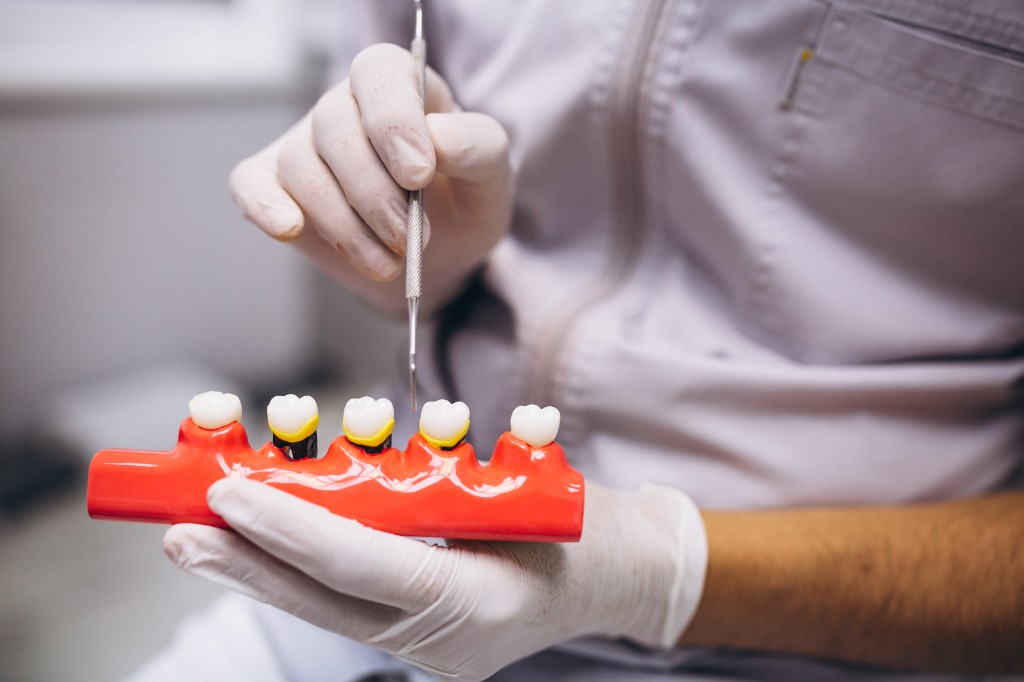
The question “veneers or zirconia?” combines two different concepts. Veneer describes the form of a restoration and the surface it covers. Zirconia describes a material: zirconium dioxide, a dental ceramic. A material name alone does not tell you how much of the tooth would be prepared.
This article compares porcelain laminate veneers with full-coverage zirconia crowns. At your consultation, ask the dentist to identify both the proposed restoration design and its material. Avoid relying on advertising terms that do not explain the actual procedure.
When might porcelain veneers be considered?
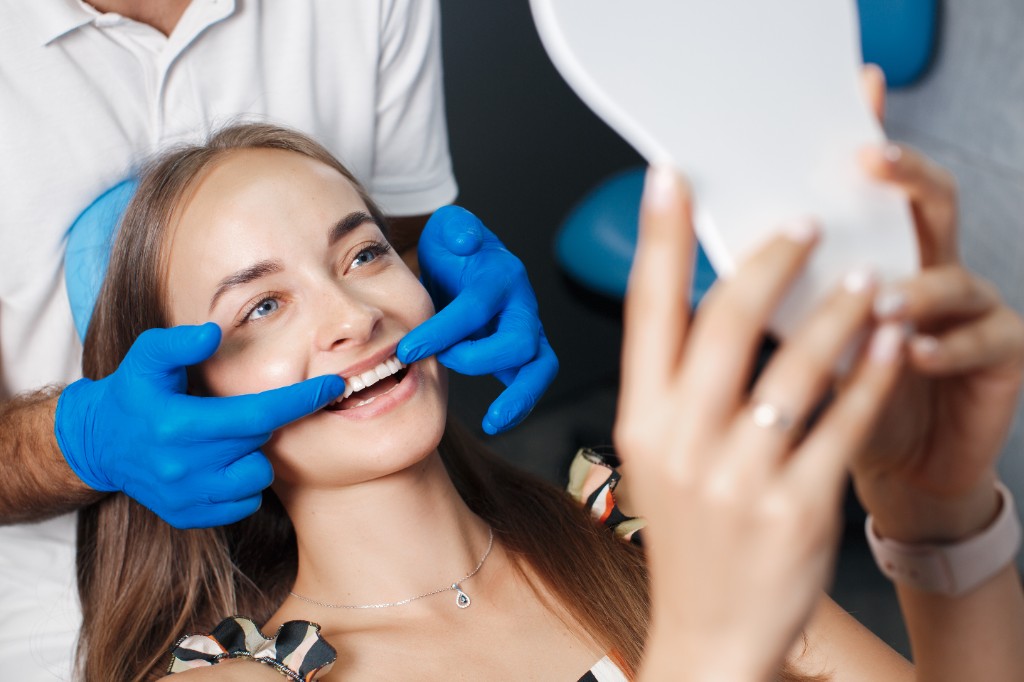
Porcelain veneers may be considered for changes to the colour, shape or proportions of front teeth. Small chips and some gaps are also concerns that can be discussed. However, two smiles that look similar in photographs may require different approaches.
How much sound tooth remains is an important question. “Thin veneer” does not necessarily mean no enamel preparation. No-preparation or minimal-preparation options are assessed only in suitable cases. Before agreeing, ask what preparation your own teeth would need and what cannot be reversed afterwards.
When might a zirconia crown be considered?
A crown may be discussed when a tooth needs more extensive restoration, for example around a large filling, a fracture or substantial loss of tooth structure. That does not automatically mean zirconia is required. The reason for choosing a crown should be explained before selecting the material.
Zirconia is a dental ceramic with useful strength properties, but those properties alone do not determine suitability. Rather than asking only for the “strongest” or “most natural” option, ask why the proposed restoration is appropriate for the particular tooth.
Key differences between veneers and zirconia crowns
| Comparison | Porcelain veneer | Zirconia crown |
|---|---|---|
| Coverage | Mainly the front surface | Surrounds the visible part of the tooth |
| Assessment focus | Changes to the appearance of the front surface | A more extensive restorative need |
| Tooth preparation | May be limited; no-prep is not guaranteed | Preparation is needed around the tooth for a crown |
| Important considerations | Enamel, surface condition and bite | Remaining structure, existing restorations and bite |
| Natural appearance | Shade and shape planning matter | Shade and shape planning matter |
| Long-term needs | Care, reviews and possible replacement | Care, reviews and possible replacement |
This table is a general comparison, not a prescription. Veneers generally involve less tooth reduction than full crowns, but the amount and the appropriate design depend on the individual tooth.
What should be discussed before deciding?
Describe the concern you want to address, rather than starting only with a preferred shade. Is it one discoloured tooth, a small chip, an old filling or discomfort when chewing? A clear explanation of your priorities makes the proposed options easier to evaluate.
Useful questions include:
- Does each tooth actually need the same treatment?
- How much sound tooth can be preserved?
- Is decay or a gum problem being assessed before restorative treatment?
- How do grinding or bite characteristics affect the plan?
- Could whitening, composite bonding, orthodontics or postponing treatment be appropriate?
Alternatives are considered through individual assessment. Do not assume that every visible tooth needs an identical procedure to create a consistent smile. Understanding the reason for treatment on each tooth helps you make an informed decision.
How is treatment organised?
The pathway may include assessment, planning, any necessary preparation, impressions or scans, laboratory work, a fitting appointment and final bonding. Ask which stages apply to your case and whether a temporary restoration is anticipated between appointments.
At the fitting stage, discuss more than whiteness. Ask about tooth length, appearance during speech, harmony with neighbouring teeth and the way the bite feels. Raise any requested changes before the final restoration is bonded. A preview or example photograph should not be treated as a guarantee of the finished result.
If you are travelling to Fethiye for veneers or crowns, base your stay on the written appointment plan. Ask how an extra fitting or adjustment could affect your dates. A promised number of days should not be the only basis for your choice.
Care, longevity and costs
The natural teeth around and beneath restorations still need care. Regular fluoride toothbrushing, cleaning between teeth and dental reviews remain important. Habits such as biting hard objects should also be discussed.
Sensitivity, fracture or loosening can occur. Contact the dentist about persistent or increasing symptoms rather than simply waiting for a routine review. No fixed lifespan applies to every patient. If you grind or clench your teeth, mention this during planning and follow-up.
When comparing prices, check the number of teeth, the material, temporary restorations, fitting appointments and reviews within the same scope. Ask what a “per tooth” price includes in writing. An online price cannot determine your suitability or confirm your personal treatment total.
Frequently asked questions
There is no universal ranking. First establish what type of restoration the tooth needs, then discuss an appropriate material for that design.
This may be assessed in selected cases, but it is not suitable for everyone. Ask exactly what “no-prep” would mean for your teeth.
They may be considered in suitable cases. Appearance expectations and the existing tooth structure should be assessed together.
Not automatically. Discuss whether less invasive approaches could address the colour concern and ask why a crown is being recommended.
No. The remaining tooth structure and restorative needs must be assessed. Previous root canal treatment alone does not dictate one crown material.
There is no guaranteed duration independent of personal circumstances. Discuss maintenance, review appointments and the possibility of later repair or replacement.
Grinding needs assessment. Suitability and protective measures are individual decisions; choosing a harder material alone does not resolve every concern.
Different teeth can have different needs. Whether to combine them, and how to coordinate their appearance, should be considered within the overall plan.
Discuss your options with DOC in Fethiye
If you are considering porcelain veneers or zirconia crowns in Fethiye, contact DOC for an initial consultation. Bring questions about tooth preservation, alternatives, costs and the appointments needed for your own plan.
This article provides general information. Diagnosis, treatment selection, costs and appointment timing require an individual dental assessment.