






What should you clarify before travelling?
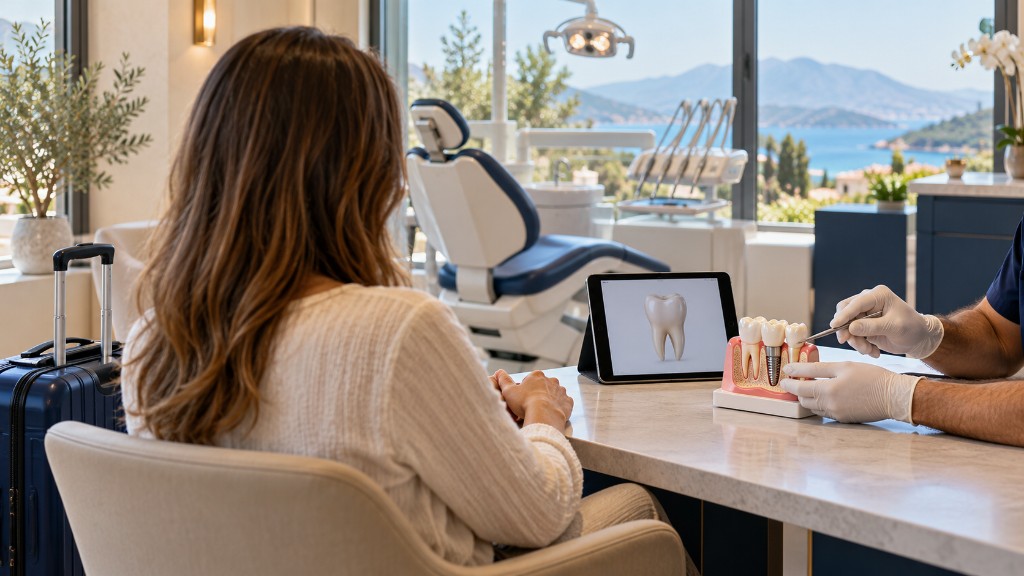
Start by explaining the concern you want addressed. A missing tooth, difficulty chewing, an old denture and a desired cosmetic change do not all require the same plan. Discuss the problem before choosing a procedure. Instead of selecting a package by name, understand why treatment is being recommended for each tooth.
Share your medical history and medicines, identify the treating dentist and establish the consultation language. If you have previous X-rays, ask how to provide them. Do not regard a proposed number of procedures based only on photographs as confirmed. Ask which uncertainties require an examination to resolve.
At the end of the discussion, separate three things: the options proposed, the points still provisional and the anticipated travel schedule. This makes any later changes easier to understand.
What happens when you arrive in Turkey?
1. Examination and an individual plan
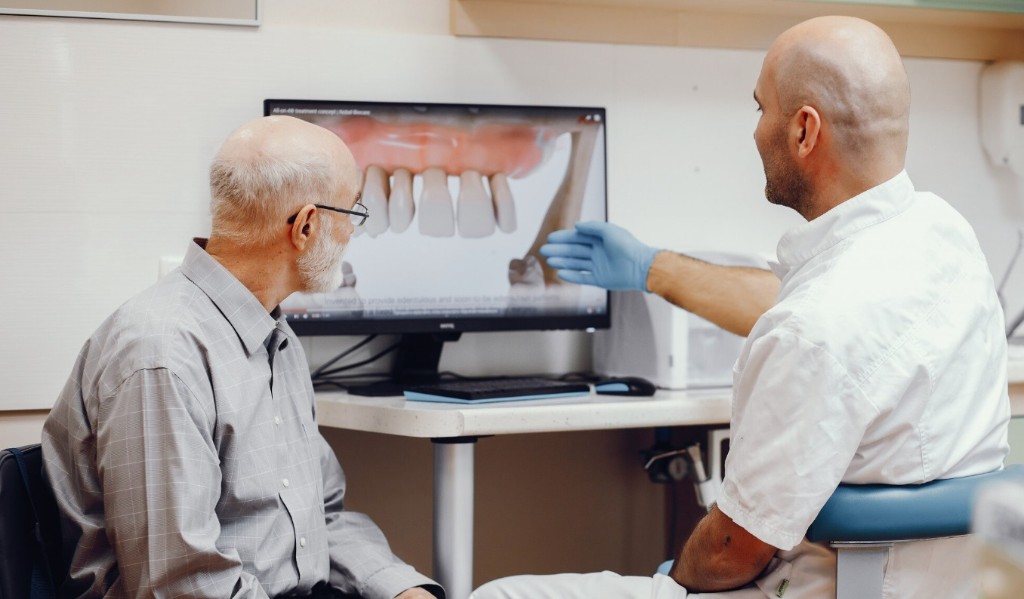
Your needs and options are discussed following assessment at the clinic. An in-person consultation before treatment and the opportunity to reconsider your decision are important. If the preliminary plan changes, ask which findings explain the new recommendation.
2. Treatment scope and consent
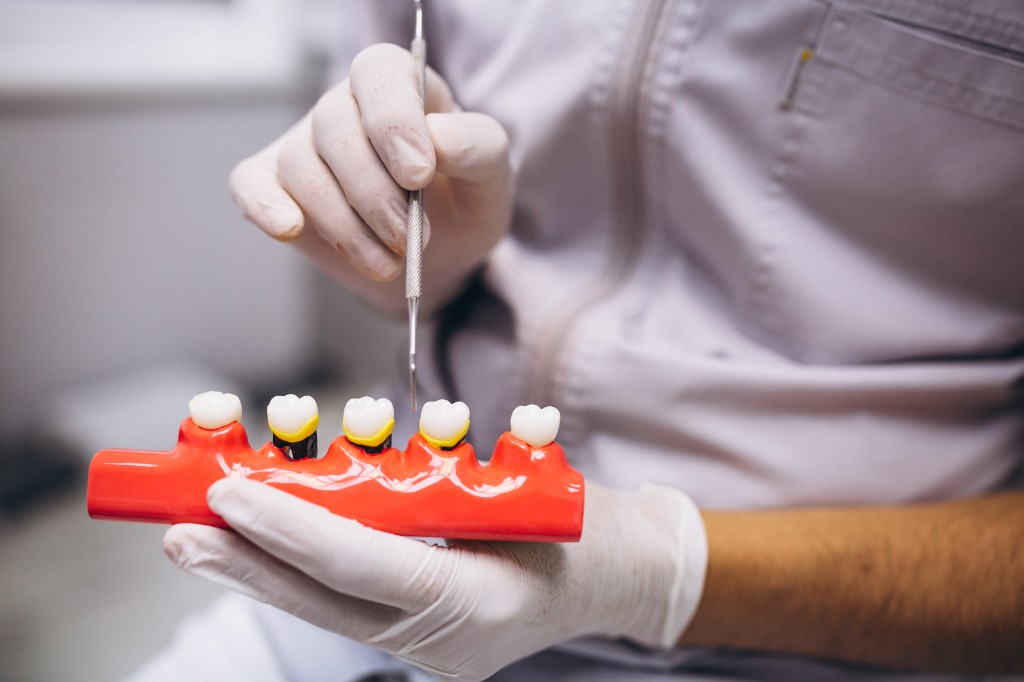
The teeth involved, alternatives, stages and costs should be clear. Ask for unfamiliar terms to be explained. Veneers, crowns and implants are different procedures, even if advertising uses a broad description such as a “smile package”. Before any procedure that changes tooth structure, make sure you understand what is proposed well enough to describe it yourself.
3. Treatment, fitting and early review
Your plan may include clinical procedures, impressions or scans, laboratory work, fitting appointments and reviews. Ask which dates are for treatment and which are for checks. Raise requested changes to shade, shape or comfort before final delivery. Do not assume all checks can be fitted into the last day of your stay.
How should dental treatment costs in Turkey be calculated?
Consider three budgets: treatment, travel and subsequent care. A clinical quotation should identify the procedures, teeth and restorations included. Compare your individual scope rather than assuming there is one standard country-wide price.
| Budget area | Information to confirm in writing |
|---|---|
| Examination and imaging | Which assessments are needed and whether their fees are included |
| Clinical treatment | Teeth, quantities and stages covered |
| Restorations | Materials and temporary or final components included |
| Additional procedures | Circumstances that could create an extra charge |
| Travel | Flights, accommodation, transfers and date-change expenses |
| Subsequent care | Reviews, possible repairs and conditions for return visits |
For example, a figure for implant placement alone is not equivalent to a total including the definitive prosthesis. Clarify what “per tooth” or “full mouth” means in the proposal. Currency, quotation validity, payment stages and cancellation terms should also be explained separately.
If the plan changes once treatment has begun, discuss the updated scope and cost before the additional procedure. Understand why a quotation appears lower before choosing it.
Will one trip be enough?
There is no universal number of visits or nights for every patient. Overall treatment duration differs from the days you need to attend the clinic. For example, integration in some implant pathways takes around three to six months and may take longer depending on individual circumstances. That does not mean staying in Turkey continuously throughout healing.
Ask the plan to show what happens during the first visit, whether a temporary restoration is anticipated and what assessment determines the next stage. Discuss flexibility before confirming flights. After a procedure, discuss fitness to fly with your clinician; there is no single return interval for all dental treatments.
DOC’s international patient page describes optional transfer and accommodation planning. Confirm the scope in your own quotation rather than assuming these services are free or automatically included.
Which records should you obtain before leaving?
Request records such as a treatment summary, imaging and prescriptions. Keep an organised file showing which teeth were treated, any relevant implant or restoration details and planned review dates. Discuss whether the documentation can be provided in a language your follow-up dentist understands.
Alongside your records, have written care instructions, an identified clinical contact and a route to reassessment if needed. Turn a general invitation to “message if there is a problem” into a clear arrangement explaining the contact channel and response process.
How should aftercare continue at home?
A remote consultation may help you explain a concern and organise the next step. It should not be assumed to replace an examination or imaging when needed. Agree which checks can take place remotely, which require attendance and who will provide care in your home country.
If you have implants, home cleaning and professional reviews remain part of their care. Do not begin follow-up only when pain occurs. For an urgent concern, seek assessment where you are rather than waiting to travel back. Mouth swelling accompanied by difficulty breathing or swallowing requires emergency medical help.
Clarify responsibility for additional treatment, repeat flights and accommodation. Do not assume ordinary travel insurance automatically covers planned treatment; confirm the terms with your insurer.
Frequently asked questions
Photographs can support an initial discussion. Ask which examinations or investigations are still needed and what could change the estimate.
This depends on your individual plan. Request a schedule showing procedures, fitting appointments and reviews separately, rather than compressing care around a flight date.
Only treat them as included when the written quotation says so. Clarify the hotel, nights, journeys and conditions for additional charges.
A package name does not establish clinical need. Discuss the reason for treatment on each tooth and the alternatives available.
Not always. Agree the limits of remote consultations and where an in-person examination would take place if needed.
Do not assume so. Request separate written terms for reviews, repairs, further treatment, flights and accommodation.
This depends on your country and policy. Obtain written confirmation from the relevant insurer about planned treatment, complications and care after returning home.
Discuss your treatment journey with DOC in Fethiye
Visit DOC’s international patients page for information about the process, or request an initial consultation. Prepare questions covering treatment, your budget and care after returning home.
This article provides general information. Diagnosis, suitability, fees and visit schedules require individual assessment; insurance coverage must be confirmed with the relevant provider.
Sources
- General Dental Council — Going abroad for dental treatment
- NaTHNaC / TravelHealthPro — Travelling abroad for treatment?
- NHS — Dental treatments
- Cambridge University Hospitals — Dental implants in restorative dentistry
- European Federation of Periodontology — Peri-implant disease: Prevention
- NHS — Dental abscess
- NHS — Going abroad for medical treatment