





Treatment
Dental Implants
Internationally recognised implants and a specialist clinical team.
Read more
We take a comprehensive approach to oral and dental health and develop a personalised treatment plan with you after clinical examination and any necessary imaging.
Our Dental Health department focuses on assessing your oral health as a whole and outlining a care pathway suited to your needs. Every patient has a unique dental history and expectations; therefore, any treatment plan is established only after a clinical examination and, when indicated, supporting imaging.
During the initial visit, the condition of the teeth, gums and surrounding tissues is reviewed. X-rays or other imaging may be considered when clinically appropriate. Based on the findings, we discuss priorities, which procedures fall within this department, and how follow-up will be organised.
Areas such as implantology, aesthetic dentistry, orthodontics, periodontics, prosthodontics, restorative care and oral surgery are coordinated under this department. For each option, we explain the general approach and key steps after your assessment; the final decision always depends on a clinical evaluation.
After treatment, review appointments, oral hygiene guidance and preventive care are discussed together. Regular check-ups support long-term oral health; the recommended interval is tailored to your individual risk profile.
Internationally recognised implants and a specialist clinical team.
Read more
State-of-the-art devices that combine your smile design with digital dentistry.
Read more
The full range of orthodontic options together with current approaches such as Invisalign.
Read more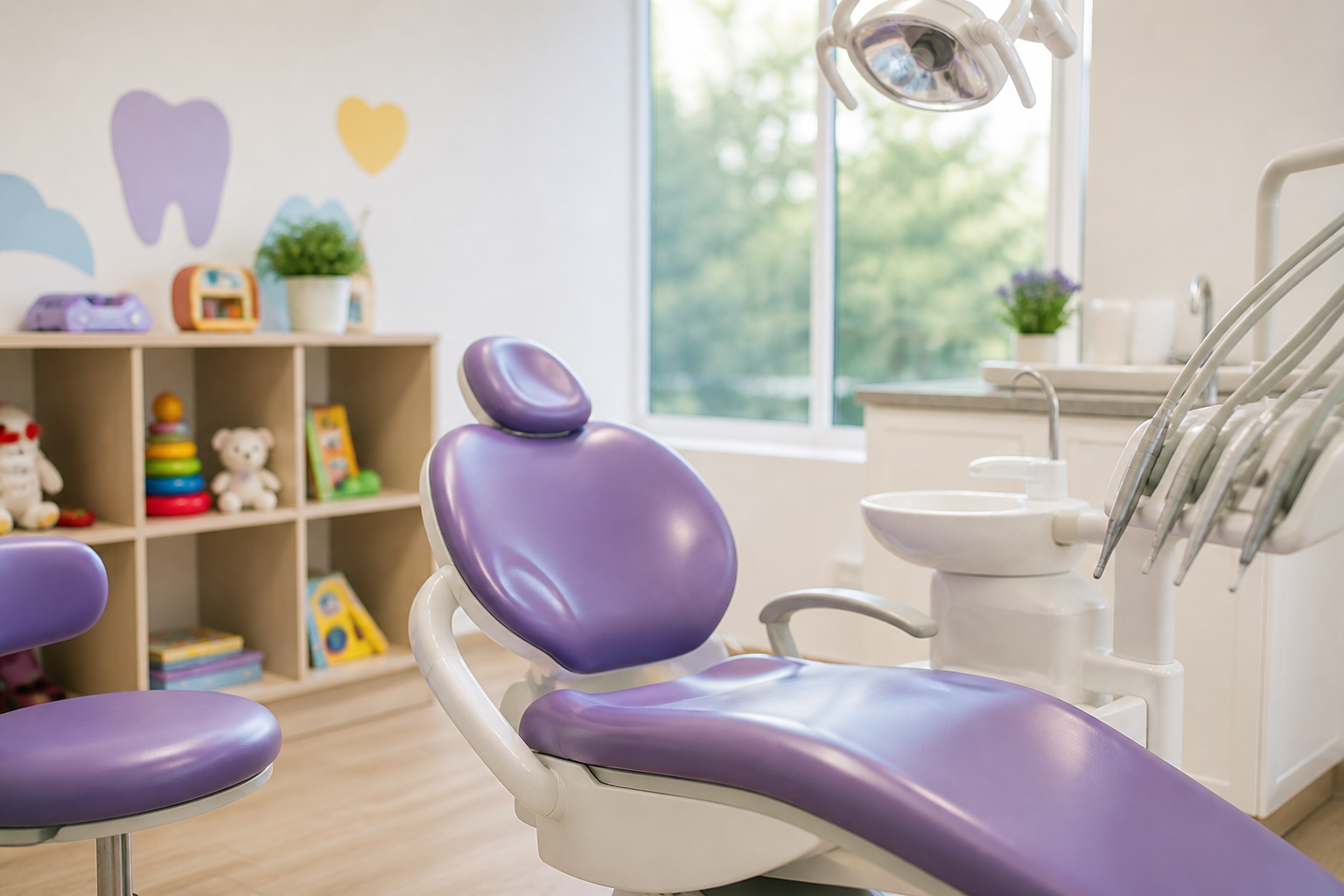
You can feel safe with our specialists for your children’s dental health.
Read more
All treatment options needed to protect the health of the teeth, gums and surrounding tissues.
Read more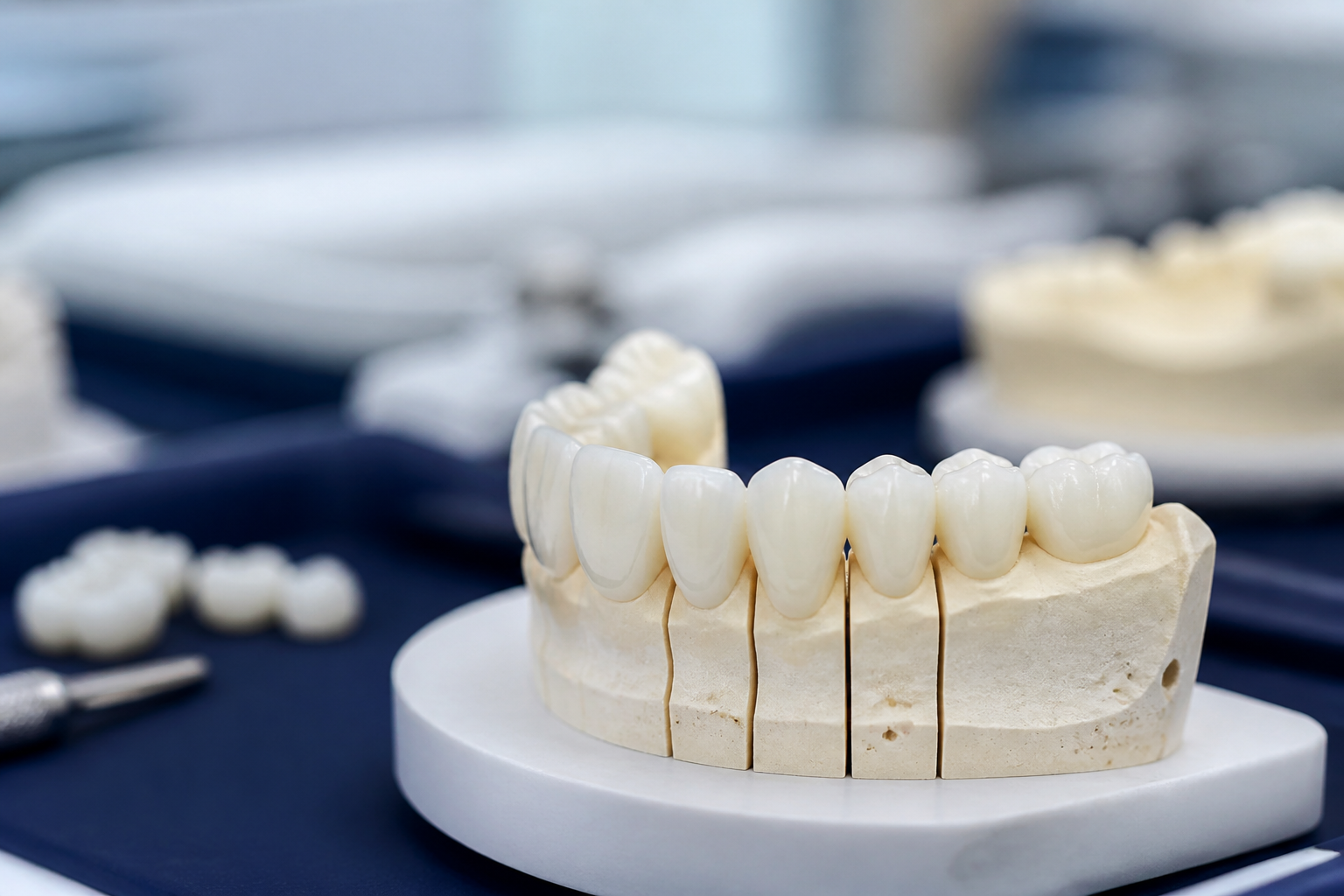
All prosthetic options: zirconium, laminate, porcelain, fixed or removable.
Read more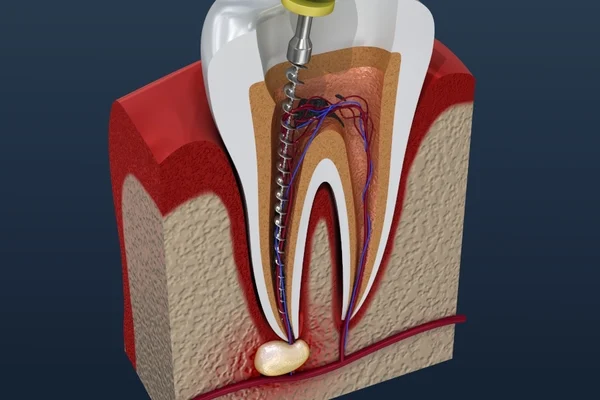
Root canal treatment is a tooth-saving method used when the soft vessel-nerve network (pulp) that gives the tooth vitality, lying under the enamel and dentine, becomes inflamed or damaged. It is the cleaning, disinfection and leak-proof filling of infected tissues inside the canals that run from the crown to the root tip. In the past the only option for teeth with inflamed pulp was extraction; today, thanks to root canal treatment, natural teeth can be kept in the mouth and serve successfully for many years.
Read more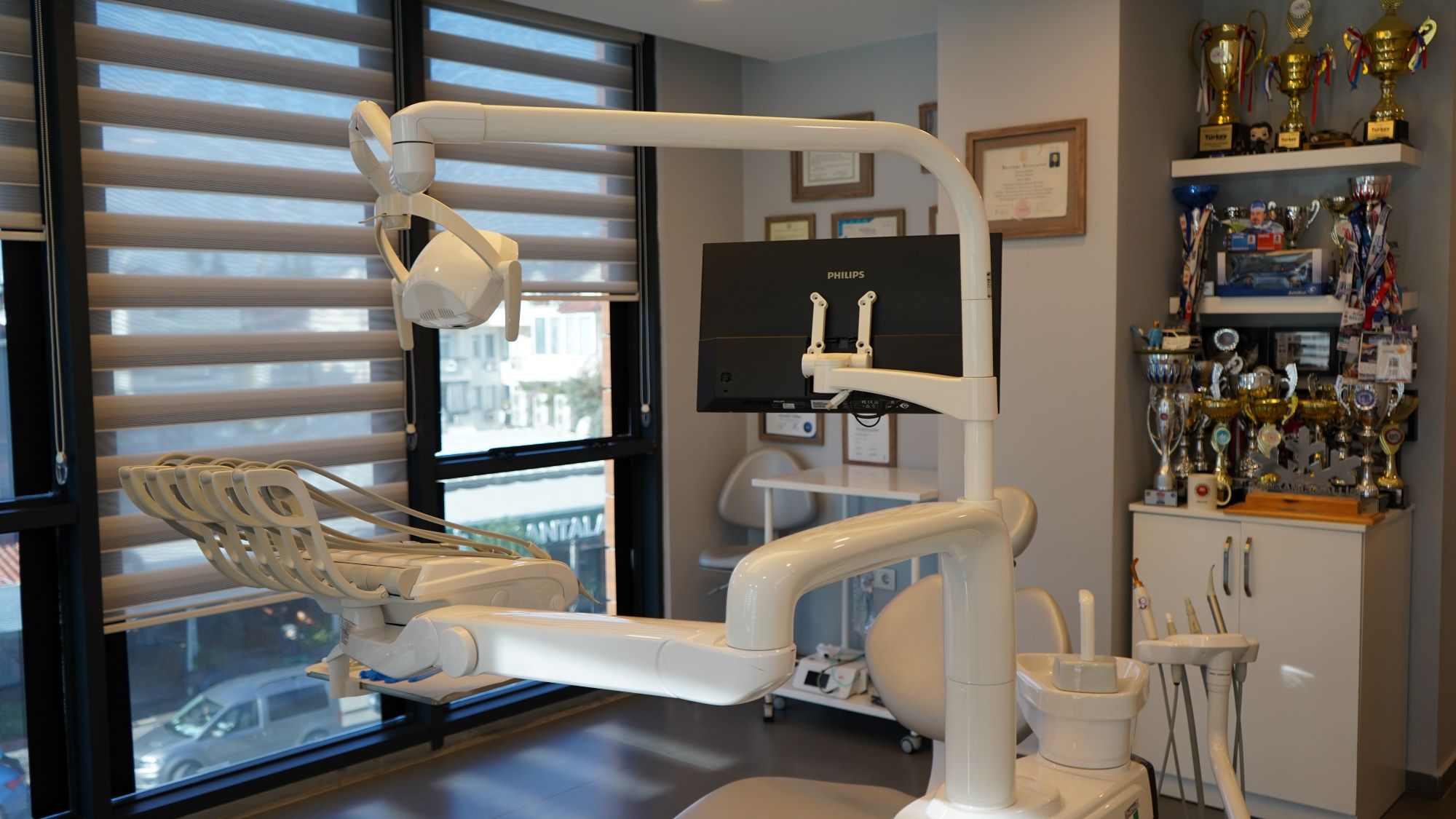
Impacted tooth extraction, implant surgery and oral and maxillofacial surgery procedures.
Read more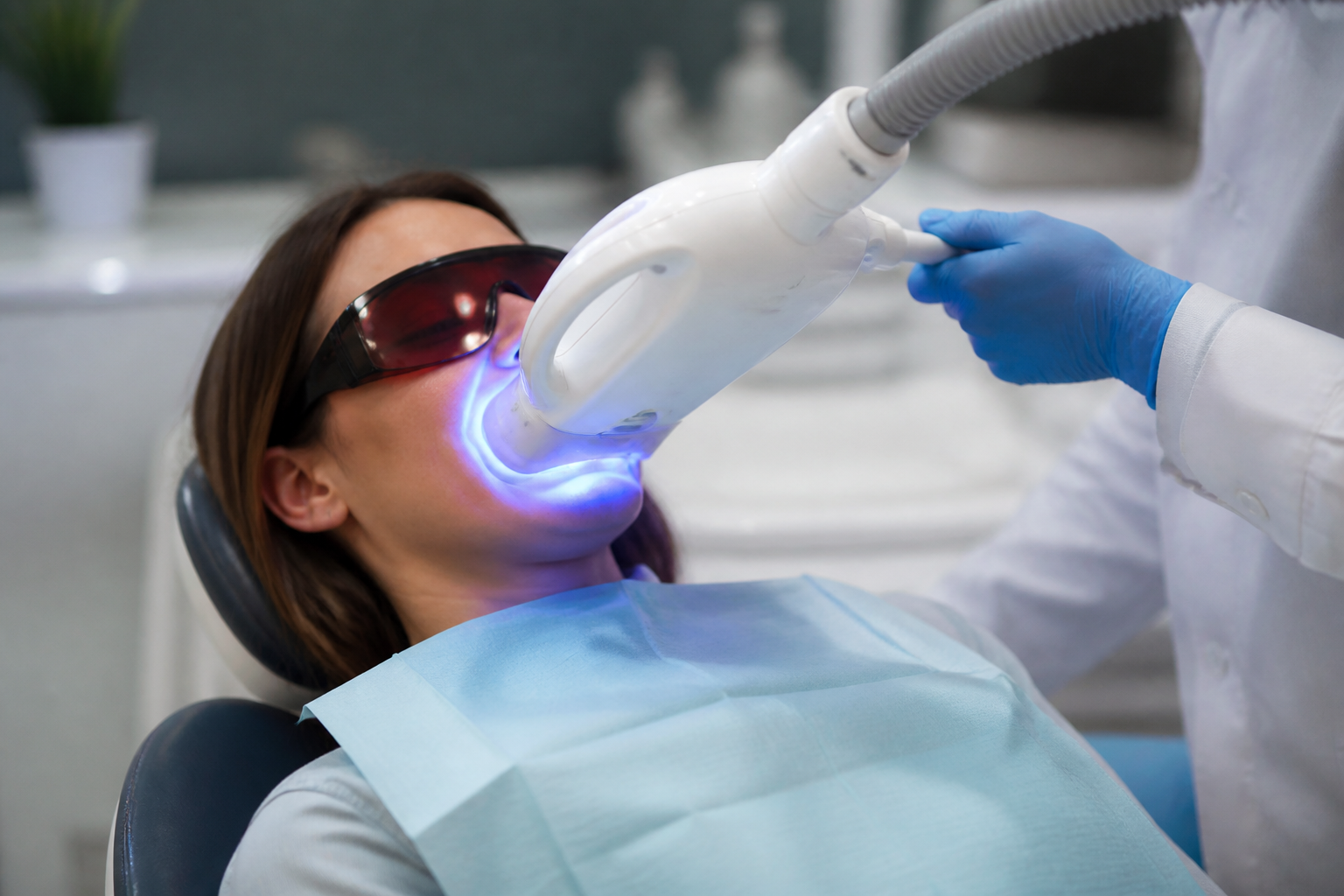
All options such as laser teeth whitening and vital and non-vital tooth whitening.
Read more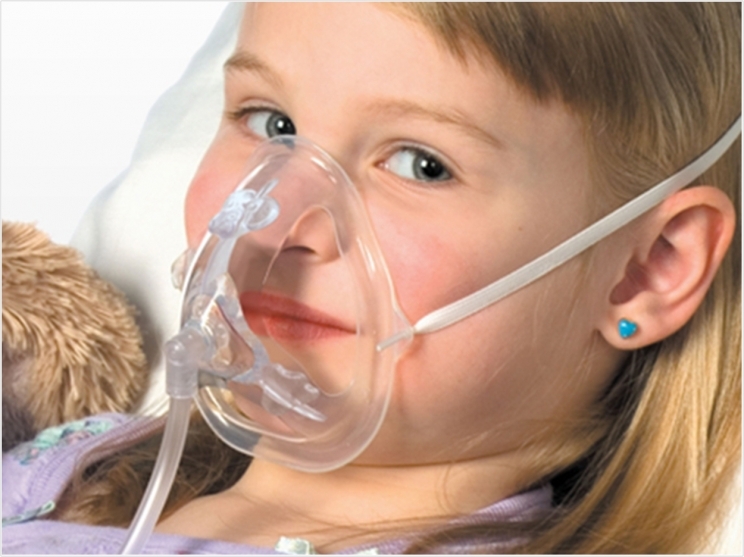
Dental treatment under general anaesthesia is the carrying out of dental treatments while the patient is put to sleep in a fully equipped hospital setting under the control of a specialist anaesthetist, and woken in a controlled way when the procedure is finished. Thanks to this method, all dental procedures that would be difficult under normal conditions or that cause the patient anxiety are turned into a completely painless, safe and comfortable process of which nothing is remembered.
Read more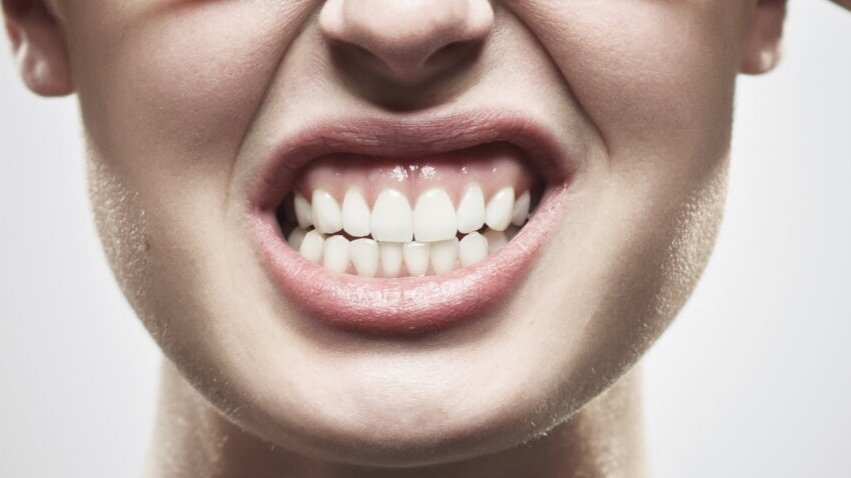
Bruxism is the problem of people clenching or grinding their teeth involuntarily, mostly at night during sleep or in the daytime while awake. This action causes the muscles that close the jaw to contract severely on both sides at the same time. Bruxism treatment is the whole of the multi-directional, protective approaches used to control these involuntary contractions, stop damage to the teeth, prevent jaw-joint injury and improve the patient’s quality of life.
Read more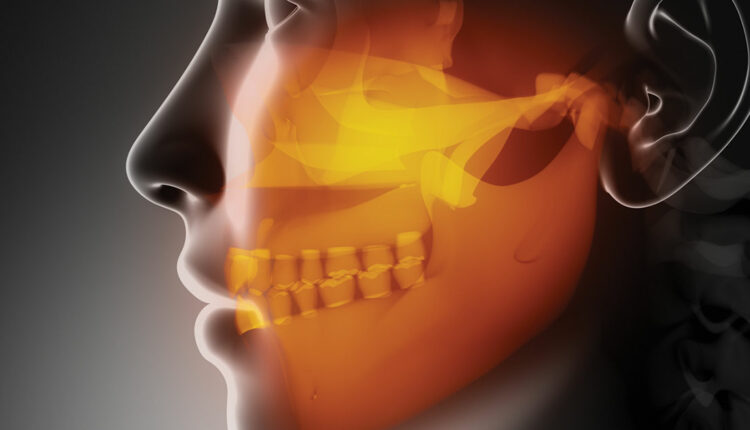
The TMJ (temporomandibular joint) is a highly complex joint that connects the lower jaw to the skull and enables basic functions such as speech and chewing. Treatment of jaw-joint disorders is the whole of the procedures applied to relieve damage, pain and loss of function in this joint and the surrounding chewing muscles as a result of factors such as trauma, clenching and grinding (bruxism), genetic predisposition or intense stress.
Read more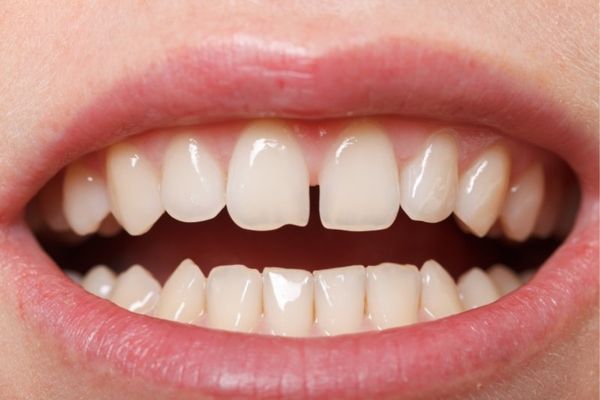
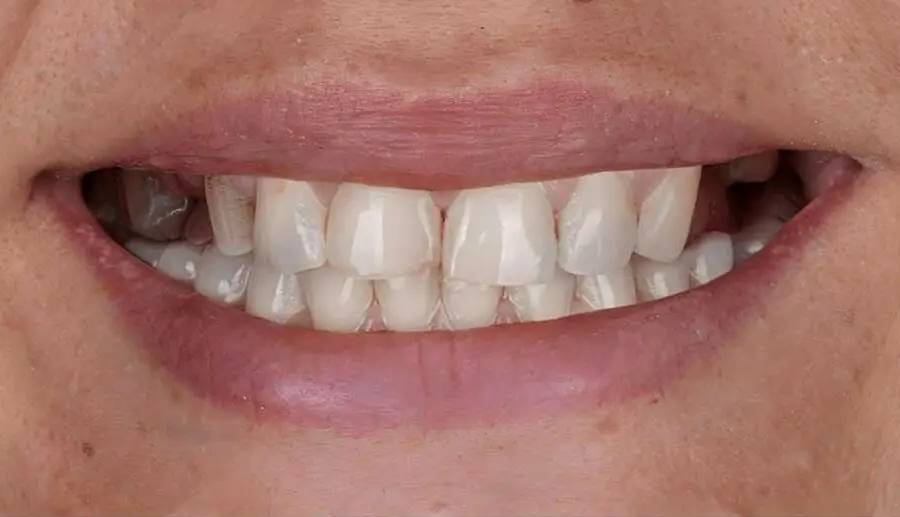
Diastema is the presence of more space than there should be, or disproportionate spaces, between the teeth. This problem usually arises because the jaw is genetically too large or the teeth are smaller than normal. Injuries, accidents and tooth loss can also cause spaces (diastema) between the teeth. Diastema treatment is the whole of the restorative or orthodontic procedures applied not only to improve appearance but also to prevent speech problems caused by the tongue catching in the spaces and gum disease linked to bacterial plaque collecting between the teeth.
Read more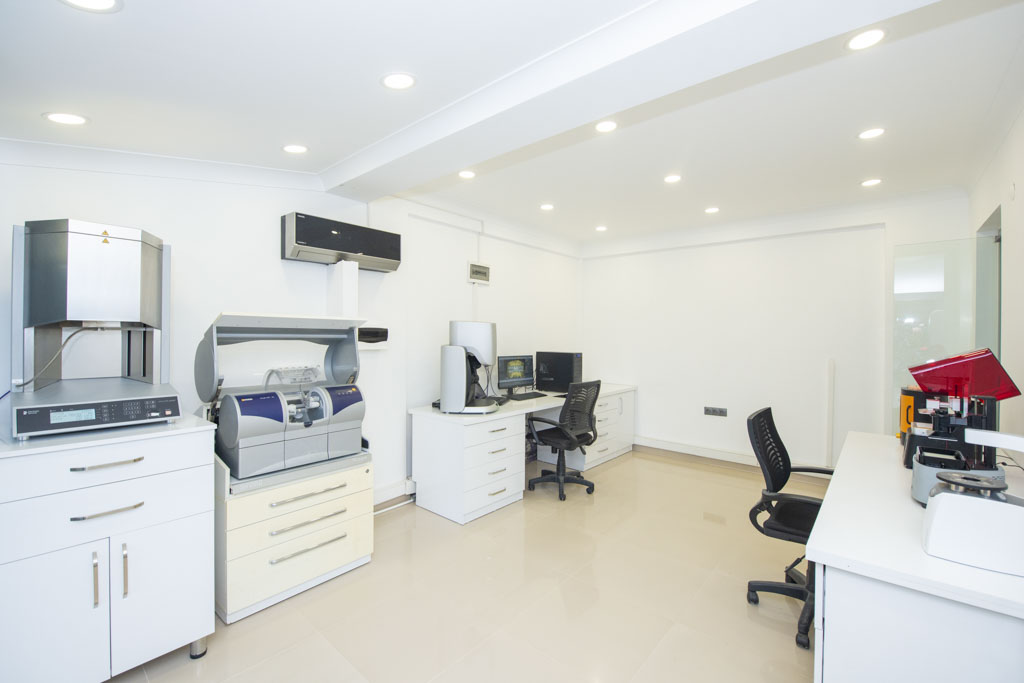
Digital dentistry (CAD/CAM – computer-aided design / computer-aided manufacturing) is a modern approach in which impression and design stages are carried out entirely with digital scanners and computer systems, taking the place of traditional methods in dental treatments. In our clinic the CEREC Primescan AC intra-oral scanner, one of the most preferred systems worldwide in this field, is used. Thanks to this system, the use of traditional impression trays and nauseating impression materials is minimised, human error is eliminated and highly aesthetic, reinforced ceramic restorations are produced.
Read more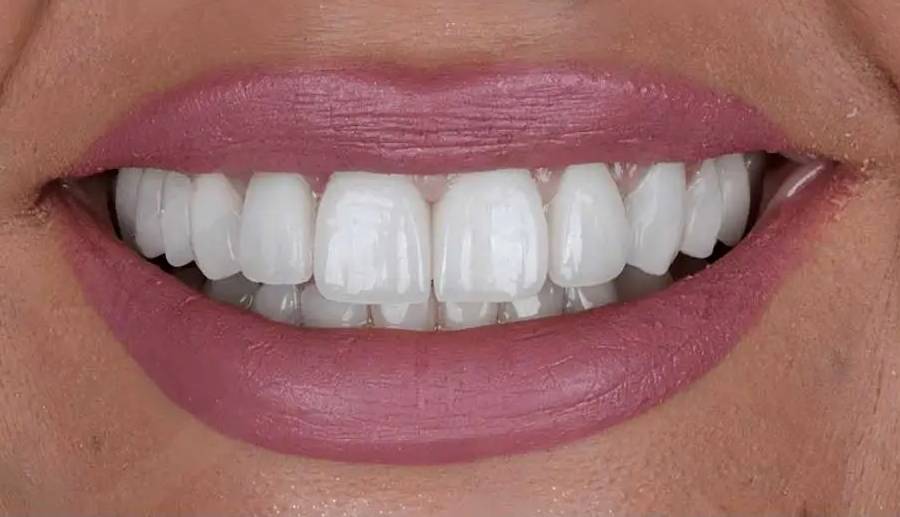
An oral examination is performed at the first visit; imaging may be requested when clinically indicated. After reviewing the findings, priorities and possible treatment steps are discussed with you. The definitive plan is established once the clinical assessment is complete.
Areas such as implantology, aesthetic dentistry, orthodontics, periodontics, prosthodontics, restorative care and oral surgery are coordinated under this department. Which treatment is suitable for you is determined after your examination.
The timeframe depends on the scope of procedures, oral findings and follow-up needs. A general outline may be shared after your examination; the exact duration depends on clinical assessment and treatment progress.
Please inform our team about your medications and medical history before your appointment. Depending on the planned procedure, fasting, medication adjustments or other preparation may be required; details are communicated before your visit.
Review appointments are often recommended. The frequency depends on the treatment performed and your individual risk factors; a personalised plan is provided after your assessment.
During initial contact, general information is collected and an appropriate consultation or examination is arranged. The treatment schedule, required documents and points to consider before travelling are discussed after clinical assessment.

We provide child-friendly preventive dentistry with a calm, age-appropriate approach, focusing on development monitoring and planning together with families.
Read more