










What is the treatment for bruxism?
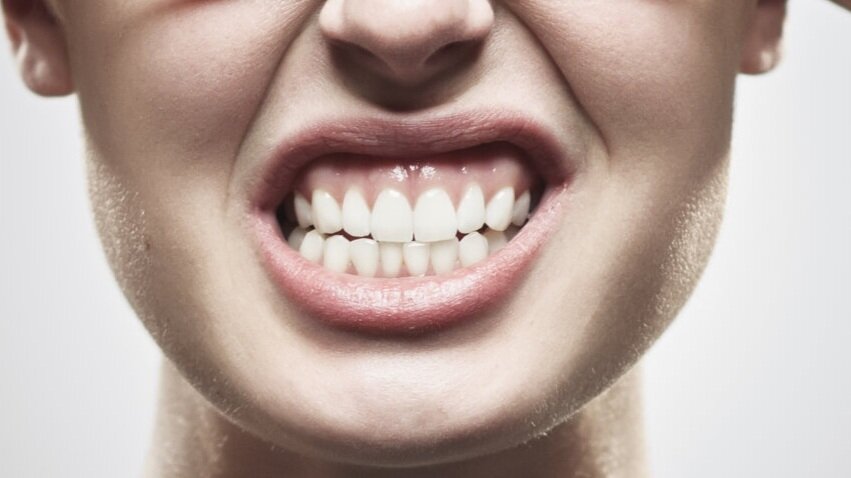
Bruxism is a condition in which people involuntarily clench or grind their teeth, usually whilst asleep at night or whilst awake during the day. This action causes the muscles that close the jaw to contract violently on both sides at the same time. The treatment of bruxism comprises a comprehensive and preventive approach aimed at controlling these involuntary contractions, halting damage to the teeth, preventing damage to the temporomandibular joint, and improving the patient’s quality of life.
Who is it suitable for?
It is suitable for people of all ages who experience the following symptoms or have the following triggering factors:
-
Those who experience severe pain in the jaw, temples and head when they wake up in the morning,
-
Those experiencing abnormal wear on their teeth, sensitivity, or cracks in their existing fillings or dentures,
-
People with enlargement (hypertrophy) of the masticatory muscles due to overuse and those with temporomandibular joint disorders,
-
People with missing teeth, malocclusion, overgrown teeth or faulty dental restorations,
-
People who grind their teeth due to anxiety, severe stress, sleep disorders or neurological conditions.
How Does the Treatment Process Work?
Depending on the cause of bruxism, a specialist doctor will apply the most appropriate methods, either on their own or in combination:
-
Examination and Diagnosis: A detailed examination is carried out to determine the extent of tooth wear, muscle hypertrophy and any existing malocclusions.
-
Protective Mouthguard Applications: Transparent ‘night guards’ or ‘occlusal splints’ are custom-made using the patient’s dental impressions for use whilst sleeping. These devices protect the teeth from grinding against one another.
-
Botox Treatment: Botox injections into the chewing muscles reduce the strength of excessive muscle contractions.
-
Dental and Prosthetic Corrections: An ideal bite is achieved by replacing missing teeth, correcting poorly fitted restorations and replacing ill-fitting dentures.
-
Supportive Treatments: Medication under medical supervision, stress therapy if the condition is psychologically based, or surgical interventions in cases of very advanced joint damage may be incorporated into the treatment plan.
Points to Bear in Mind Before Treatment
-
Habits such as excessive smoking and alcohol consumption, which can directly trigger teeth grinding, should be reviewed.
-
Habits such as excessive smoking and alcohol consumption, which can directly trigger teeth grinding, should be reviewed.
-
Awareness should be raised regarding stress and anxiety management, and relaxation exercises should be incorporated into daily life.
Post-Treatment Precautions
-
Night guards or occlusal splints prescribed by the physician should be used regularly for the recommended duration.
-
Maximum care should be taken in the daily cleaning and storage of the devices (night guard, etc.).
-
If you have had Botox injections, you should avoid massaging the treated area for the first few hours after the procedure.
-
Habits that put extra strain on the jaw joint, such as chewing gum, eating hard foods, or biting on pens, should be strictly avoided.
1. Does teeth grinding (bruxism) only occur at night while sleeping?
No. While bruxism most commonly occurs during sleep at night, patients may also involuntarily grind their teeth during the day in situations requiring intense stress, concentration, anxiety, or physical exertion.
2. What is the purpose of Botox application in the treatment of bruxism?
Botox injected into the chewing muscles weakens the excessive contraction function of the affected muscle, significantly reducing the severity of teeth grinding. It also alleviates headaches and jaw pain caused by teeth grinding. Its effect is temporary (usually 4-6 months) and can be repeated if needed.
3. Can a poorly done filling or missing teeth lead to teeth grinding?
Yes. High fillings that disrupt the occlusion of the teeth, missing teeth, or faulty restorations are among the important anatomical causes that directly trigger bruxism by disrupting the balance of the temporomandibular joint.
4. What problems can teeth grinding cause if left untreated?
Untreated bruxism leads to permanent wear on the chewing surfaces of the teeth, sensitivity to hot and cold, and fractures in teeth and porcelain restorations. In advanced stages, it can cause severe headaches, enlargement of the jaw muscles, and permanent damage to the temporomandibular joint (TMJ).