










What is Treatment?
Paediatric dentistry (paedodontics) is a specialist field aimed at protecting children’s oral and dental health from infancy through to adolescence, and treating problems affecting both milk teeth and permanent teeth. Dental treatments carried out on paediatric patients require far greater care, a psychological approach and patience than those for adults. The primary aim is not merely to treat the teeth, but also to prevent the child from developing a ‘fear of the dentist’ and to instil a lifelong awareness of healthy oral care.
Who is it suitable for?
-
Children of all ages, from those whose first milk teeth have come through right through to the end of adolescence,
-
Children suffering from tooth decay, trauma or broken teeth,
-
Those at risk of baby bottle tooth decay or early tooth loss,
-
It is suitable for children who have a fear of the dentist, experience high levels of anxiety, or are unable to cope with the clinical environment due to a mental or physical disability (under sedation or general anaesthesia).
How Does the Treatment Process Work?
The treatment process for children is planned using an approach that progresses from simple to complex, prioritising the child’s psychological well-being unless urgent intervention is required:
-
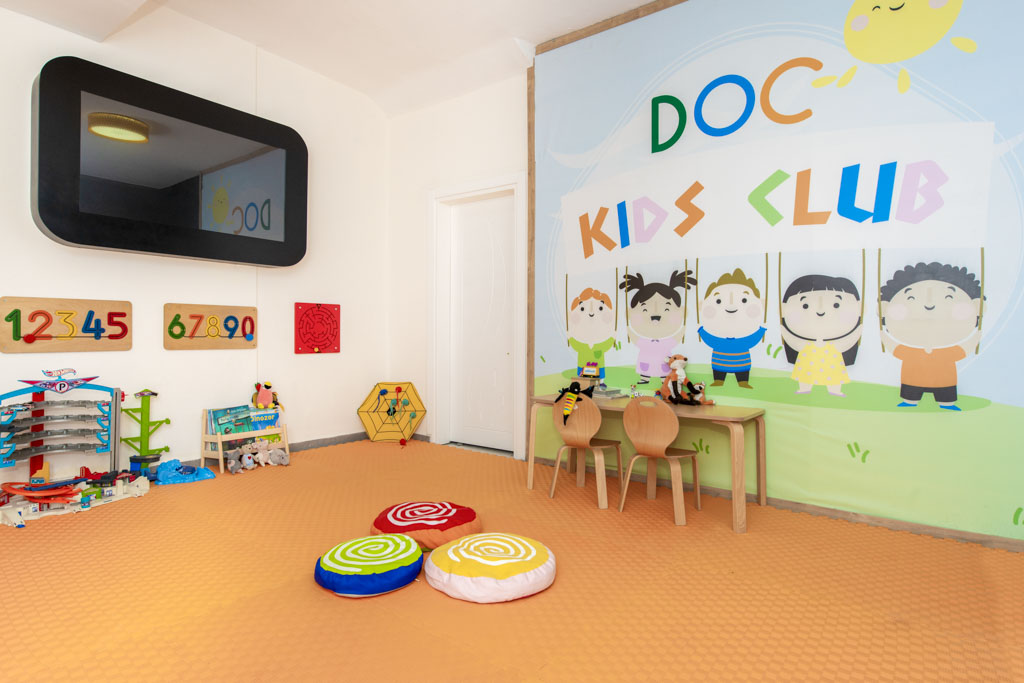
Introduction and Familiarisation (Check-up Sessions): No treatment is usually carried out during the first appointments. The aim is for the child to enjoy the dental practice environment and feel at ease. The procedures to be carried out, the dental unit and the instruments to be used are introduced using playful language that the child can understand.
-
Simple Procedures: Once the child is comfortable, treatment begins with completely painless and protective procedures such as fluoride application or fissure sealants.
-
Complex Procedures: Once a relationship of trust has been established, we move on to more complex treatments such as fillings, root canal treatment or tooth extraction.
-
Sedation and General Anaesthesia Procedures: For children who are unable to cooperate in a clinical setting due to their very young age, extreme fear or a disability, treatments are carried out safely and painlessly in a single session under general anaesthesia or sedation, under the supervision of specialist doctors.
Points to Bear in Mind Before Treatment
-
Words such as ‘injection’, ‘pain’, ‘blood’ or ‘extraction’, which might frighten the child before the appointment, should definitely not be used.
-
A visit to the dentist should be presented not as a punishment or an obligation, but as a fun activity and a routine check-up.
-
One should not interfere with the communication between the doctor and the child; the doctor must be allowed to guide the child and build a bond of trust with them.
Post-Treatment Precautions
-
If a local anaesthetic (numbing) has been administered, the child must not eat or drink anything until the numbness has worn off (approximately 2 hours). Otherwise, they may unintentionally harm themselves by biting their lips or cheeks.
-
Preventative treatments carried out at the clinic should be supported at home; a regular tooth-brushing routine should be established in the mornings and evenings under parental supervision.
-
As the replacement of milk teeth and jaw development are ongoing processes, routine dental check-ups every six months should not be missed.
1. As baby teeth are going to fall out anyway, is there any point in treating them?
Yes, absolutely. Milk teeth act as guides to ensure that the permanent teeth coming through underneath can erupt healthily. Milk teeth that are extracted too early or left to decay can disrupt jaw development, leading to misalignment and serious orthodontic problems later on. Furthermore, decayed milk teeth can cause severe pain, feeding difficulties and sleep problems.
2. My child absolutely refuses to sit in the dentist’s chair; how can they be treated?
For children who are unable to cooperate in a clinical setting, who experience extreme fear, or who are too young to be persuaded, all dental treatments can be carried out comfortably and safely in a single session in a hospital setting, under sedation or general anaesthesia.
3. When should I take my child to the dentist for the first time?
The World Health Organisation and paediatric dentistry associations recommend that a child’s first dental check-up should take place as soon as the first milk tooth appears (usually between 6 months and 1 year of age). These early visits enable preventive measures to be taken before tooth decay sets in.